How the 2026 MTV VMAs Moved Award-Season Style Away From Classic Gowns
The 2026 MTV VMAs red carpet shifted away from classic gowns toward maximalist designs. Here's what it signals for award season.
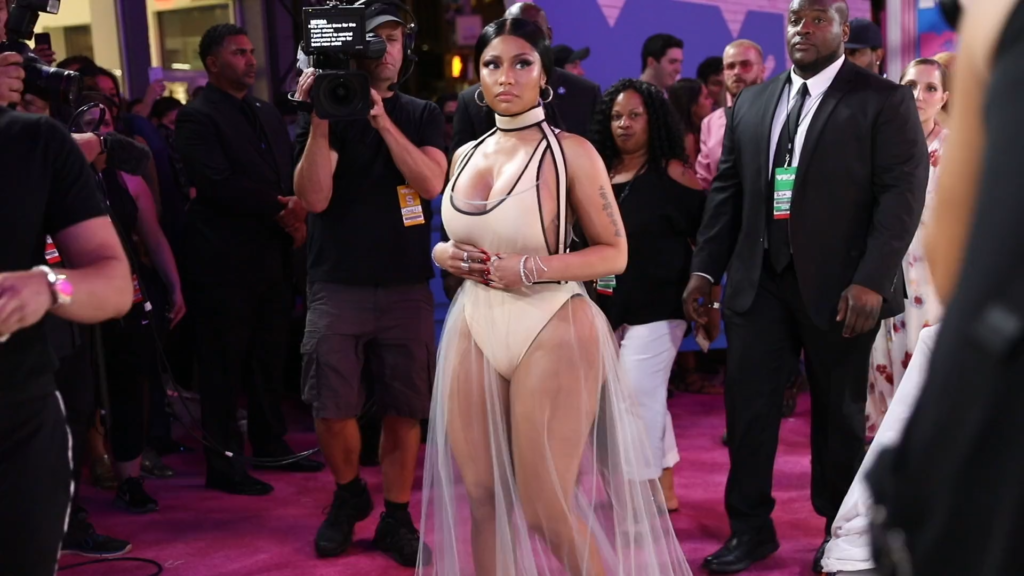
The 2026 MTV Video Music Awards, held September 27 in Los Angeles, displayed a definitive pivot away from the pristine, classic evening gown. Hosted by Snoop Dogg, the ceremony became a showcase for maximalist, attention-grabbing silhouettes that signal the direction award season will follow through the Oscars. Where past red carpets favored polished, traditional formal wear, this year’s stylists embraced sheer fabrics, architectural details, and maximalist silhouettes that broke from tradition.
The shift reflects a broader conversation among Hollywood stylists about the purpose of award-season dressing. Rather than treating red carpets as a separate formal category requiring heritage evening wear, stylists now view major ceremonies as immediate extensions of the runway. At the VMAs, this philosophy meant bras as formal statement pieces, feathered gowns with dramatic proportions, and early-2000s references refined for contemporary red carpets. The celebrities who commanded the night wore clothing that looked engineered to demand attention, and the stylists behind them—operating more like creative directors than traditional fashion editors—treated the event as an opportunity to translate cutting-edge design directly to the public eye.
The Bra Becomes a Red-Carpet Statement
One of the boldest statements at the 2026 VMAs was the bra-as-outerwear look. Multiple stars paired bra tops directly with skirts or trousers rather than treating them as foundation garments, embracing the underwear-as-outerwear silhouette as formal red-carpet wear in its own right.
Tyla paired a metallic bra top with a fitted gray midi skirt featuring a snakeskin panel down the front, finished with a turquoise choker and pointed pumps. Chlöe Bailey and Ciara Miller adopted similar approaches, pairing bra tops with a crystal-embellished cutout gown and lace-up pants respectively to create hybrid aesthetics that felt both avant-garde and evening-appropriate.
The 2026 VMAs by the Numbers
The MTV Video Music Awards took place September 27, 2026, in Los Angeles. The ceremony was hosted by Snoop Dogg and featured performances from artists including Gunna and Shaboozey. The event marked the VMAs’ first appearance on the West Coast since 2017.
Feathers, Sheer Fabrics, and Architectural Silhouettes
Beyond the bra trend, the VMAs showcased silhouettes that rejected the smooth, elongated lines of traditional gowns. Teyana Taylor’s Zuhair Murad couture dress featured a sheer black lace construction with a plunging neckline, wide black waistband, and dramatic feathering at the neck, cuffs, and hem. Fashion experts described the look as demonstrating “how you wear a revealing dress to an awards show”—balancing provocative design with sophistication through proportion and placement. The feathering, rather than creating transparency, instead added visual mass and depth, transforming what could have read as simple lingerie into a complete architectural statement.
Taylor Swift appeared in Tamara Ralph couture, crafted in what observers called “liquid shimmer” reminiscent of witchcraft aesthetics from the film “Practical Magic.” The description signals a willingness among stylists to layer conceptual references—genre, mood, texture—into single pieces. Swift also wore a black-and-silver look featuring a fitted halter bodice and a shimmering draped skirt, designed for maximum visual impact through metallic effects and fitted silhouettes. Troye Sivan’s Erdem ensemble created visual tension by combining opposing elements—a masculine suit silhouette paired with a high Edwardian collar, draped silk, and feathering. Charli xcx wore head-to-toe black with dramatic velvet sleeves, channeling theatrical energy.
Chlöe Bailey chose a crystal-embellished cutout gown covered in silver beading and mirrored details that rejected the transparent-dress trend in favor of aggressive embellishment and reflective surfaces. Normani wore a Robert Wun mermaid gown with metallic accents, while her metallic bodice extended to her fingertips with a dramatic burst of feather-like pieces at one shoulder. Adam Lambert delivered an oversized black satin robe paired with a headpiece spelling out his name, channeling avant-garde elegance through pure conceptual design. Several attendees embraced Western-influenced leather ensembles and early-2000s low-rise silhouettes, updating those references through contemporary construction and color palettes.
The common thread across all these looks: each rejected the single dominant aesthetic. Feathers met lace. Metallics met structured corsetry. Masculine tailoring met feminine draping and embellishment. The VMAs became a catalog of hybrid silhouettes, suggesting that award season will reward stylists who layer multiple design languages rather than commit to a single formal direction.
The Stylist’s Expanded Role and Industry Recognition
These maximalist approaches require stylists to operate more like creative directors than traditional fashion editors, making judgment calls about which conceptual designs can function as award-show formality.
Stylists across the 2026 award season have also borrowed from archive fashion and pop culture history—Old Hollywood glamour at the Golden Globes, early-2000s silhouettes at the VMAs—modernizing them through color palettes and contemporary construction methods.
Award season will reward stylists who layer multiple design languages rather than commit to a single formal direction.
What the VMAs Signal for Awards Season Ahead
The 2026 VMAs red carpet provides a roadmap for the months ahead. Awards season will prioritize dramatic silhouettes over elegance-through-restraint. Metallics, feathering, and textural details will compete with traditional jewel tones and smooth fabrics.
The shift also suggests that classical evening wear—the floor-length gown in a single solid color with minimal accessories—will recede as the default choice for major red carpets. That dress will still appear, but it will no longer dominate. Instead, award season will become more visually fractured, with attendees embracing competing aesthetic directions rather than a unified formal vocabulary. The result is a red carpet ecosystem where stylists create carefully curated narratives, bold statements, and a thrilling blend of high fashion, historical homage, and personal branding.
This creates challenges for stylists working with celebrities who prefer traditional approaches. It also creates opportunities for designers willing to position their work at the intersection of runway innovation and formal wear. The stylists driving the 2026 VMAs trend—those selecting bras, feathers, and architectural silhouettes—have demonstrated that award-season dressing is no longer a separate category of fashion. It is now a direct application of contemporary design thinking. The red carpet has become a venue where bold, conceptual design ideas are translated in real time, where emerging designers achieve visibility alongside heritage houses, and where stylists function as creative practitioners shaping how celebrity fashion evolves.
Photo: Nicole Alexander · CC BY 3.0 · via Wikimedia Commons