How opacity and statement patterns opened 2026 award season at Venice
The Venice Film Festival's red carpet established the styling vocabulary for Emmys-to-Oscars dressing: bold transparency, lingerie-as-outerwear, and monochrome confidence.
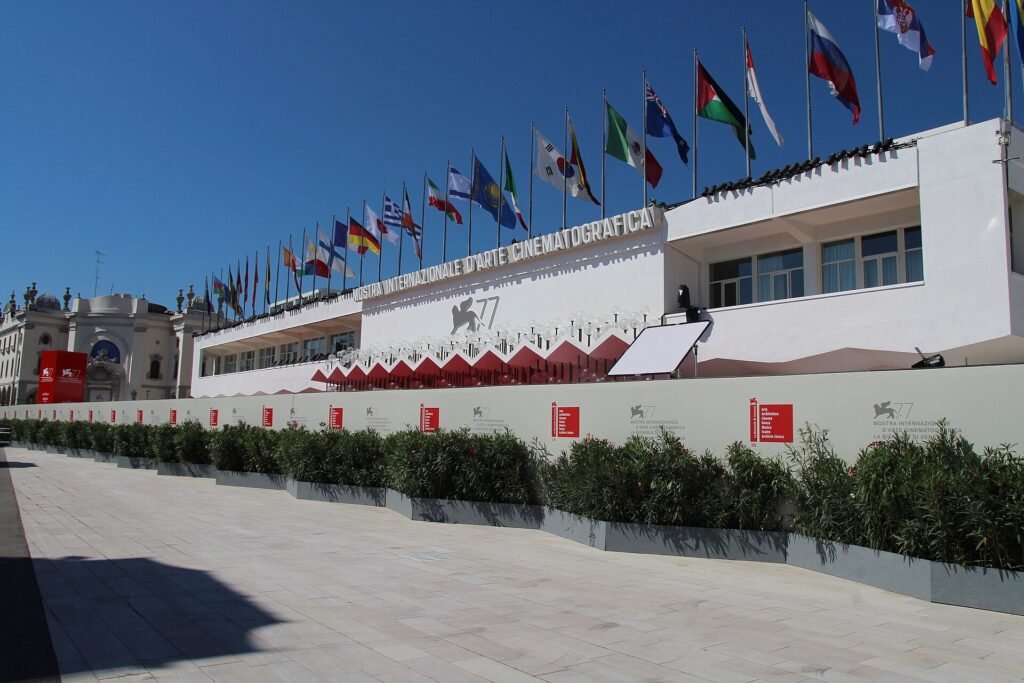
The 83rd Venice International Film Festival, held September 2 through 12, did not showcase traditional glamour. Instead, stylists and designers arrived at the Lido with a clear message about what award-season dressing would become: opacity expressed through statement patterns, darker romantic moods, and the strategic visibility of understructure. Black appeared everywhere—not as a safe choice, but as texture: sheer sequined gowns, sculptural layering, and hand-dyed lace that read as mood rather than color.
The festival marked the opening act of the awards cycle running through the Oscars. The styling choices made there typically signal what will carry through the Golden Globes, Emmys, and beyond. This year, stylists and designers abandoned the pared-back minimalism that has dominated recent red carpets in favor of garments that make bold statements through construction, pattern, and the deliberate interplay of transparent and opaque fabrics.
The opacity trend: sheer fabrics as statement
Opacity by way of statement patterns or shades emerged as the leading pre-premiere style trend. The term itself signals a departure from the either-or thinking of recent years—transparent or opaque, revealed or concealed. Instead, Venice stylists layered both, using sheer fabrics not as delicate accents but as focal points of design.
Designers featured corsetry, slip dresses, and sheer fabrics as central design elements rather than hidden garments. The strategy differed from the slip-dress trend of previous seasons. These pieces moved beyond naked-dress illusions into deliberate pattern and texture play.
Lace took on a darker and more romantic mood. Multiple looks combined opacity strategically, pairing transparent lace overlays with solid underpieces or carefully placed opaque sections to balance exposure with elegance. This approach requires more technical construction than minimalist design; stylists and tailors must plan coverage, decide where sheer panels land, and consider how light will interact with pattern at different distances.
When and where
The 83rd Venice International Film Festival ran September 2 through 12, 2026, on the Lido di Venezia. The festival serves as the opening event of the awards cycle that continues through the Oscars.
Pattern integration and textural drama
Statement patterns wove through the festival’s sheer pieces and structured gowns. Nina Dobrev wore an Armani Privé gown at the Ink screening.
Jewelry and accessories functioned as focal points in these layered looks. Rather than multiple competing elements, stylists deployed strategic simplicity—choosing one powerful piece or letting the gown’s own pattern and construction dominate. This restraint kept intricate garments from overwhelming the wearer and allowed the eye to settle on the intentional details.
Embroidered suits appeared on the red carpet and in daytime moments, bringing pattern and texture typically reserved for eveningwear into all-day styling. The trend suggested that award-season dressing would embrace visual complexity regardless of time of day.
Monochrome dressing with saturated conviction
Black dominated the Venice red carpet in forms that rejected blandness: sheer fabrics, sculptural tailoring, and rich textures. But monochrome dressing extended beyond neutrals. Claire Foy committed to head-to-toe tomato-red. Laura Dern built an entire look around pink. Suki Waterhouse anchored her styling around moss green. Each approach demonstrated that monochrome dressing no longer meant safe or minimal—it meant conviction.
Saturated colors replaced the expected autumn neutrals. Burgundy and tomato red led the palette, with designers and stylists moving away from traditional brown and beige into wine tones and vivid reds. Jewel tones ran through multiple premieres. The color shifts signal a broader departure from the cool-toned, understated eveningwear that dominated recent award seasons.
This color strategy carries implications for what comes next. The Emmys red carpet, held September 14, continued emphasizing individuality over a single dominant aesthetic. But the groundwork Venice laid—bold colors, textured black, strategic opacity—gave stylists and designers a clear vocabulary to build upon through the season.
Archive and individuality as deliberate choices
Designers mixed heritage pieces with modern sensibilities. Kendall Jenner wore golden archival Armani from Fall-Winter 1995, a choice that brought historical resonance to a contemporary moment. Pamela Anderson wore a sunshine yellow Carolina Herrera gown that read as classic eveningwear in a red carpet dominated by darker moods and transparency.
The archival strategy differed from simply resurrecting old pieces. Instead, stylists positioned these pieces within a larger narrative about fashion history, craft, and the relationship between past and present. The strategy gave celebrity dressing a sense of depth—each look carried context beyond the moment.
Individuality emerged as a deliberate positioning. Jury president Maggie Gyllenhaal chose The Row, a minimalist luxury brand, sending a distinct message from the pattern and textural choices dominating around her. Phoebe Bridgers demonstrated that individuality could hold its own against traditional red-carpet perfection. The Venice red carpet suggested that award-season dressing no longer demanded conformity to a single aesthetic.
Black dominated the Venice red carpet in forms that rejected blandness: sheer fabrics, sculptural tailoring, and rich textures.
Refined tailoring and femininity
Tailoring became more feminine, with strategic construction that balanced structure and fluidity. Column gowns, wide-leg trousers, and strong-shouldered blazers appeared on the red carpet and in daytime moments. The silhouettes rejected severe cuts in favor of pieces that moved with the body while maintaining architectural precision.
This approach to tailoring required careful fitting and often custom work. The pieces appeared elegant rather than dramatic, refined rather than bold—an approach that allowed pattern, texture, and opacity to become the primary storytelling elements.
The refinement suggested that award-season dressing would continue moving away from costume-like formality toward garments that felt wearable and connected to broader fashion conversations. Column gowns, for example, align with contemporary fashion’s general movement toward streamlined silhouettes; their presence at Venice suggested that formal dressing would not become divorced from everyday fashion direction.
What Venice signals for Emmys to Oscars
The Venice red carpet established a styling language that typically persists through the awards cycle. The emphasis on opacity, statement pattern, and textured elements created a clear direction for stylists working with celebrities across the remaining season. Designers who showed pieces built around sheer construction and visible understructure now have a cultural moment to position those garments on television’s biggest stages.
The Emmys, held September 14, continued the emphasis on individuality and contemporary silhouettes. But the groundwork Venice laid—the vocabulary of opacity, the acceptability of bold color, the legitimacy of archive pieces—gave shape to choices that might otherwise feel scattered. Stylists now work within a defined aesthetic that does not demand conformity but does establish shared visual language.
The season ahead will likely bring refinement of these themes rather than dramatic shifts. As award season moves from Venice through the Golden Globes, SAG Awards, and toward the Oscars, the styling strategies that succeeded on the Lido will evolve—but their foundation remains clear. Award-season dressing in 2026 belongs to opacity, pattern, and the deliberate interplay of sheer and solid, dark and saturated, archive and contemporary.
Photo: Pietro Luca Cassarino · CC BY-SA 2.0 · via Wikimedia Commons