Stylists earn $30,000 to $50,000 a show as red-carpet pay splits three ways
The effortless look at an awards show results from months of negotiation.
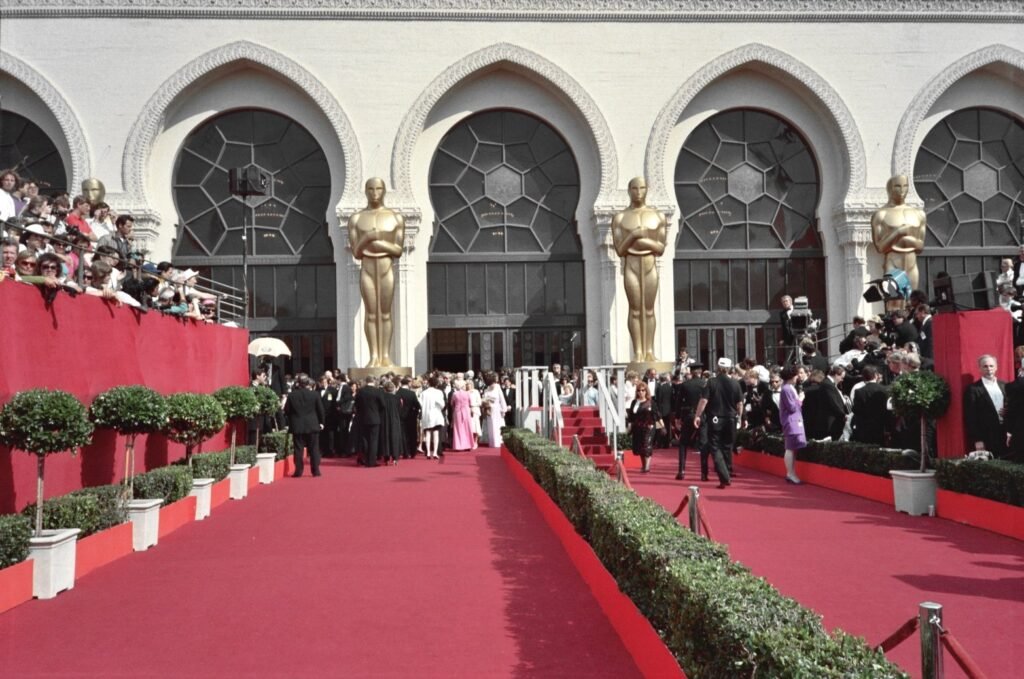
Red carpet moments appear effortless—a star emerges in a gown that photographers memorialize and fashion commentators debate for months. Behind that appearance is a negotiated financial arrangement that involves multiple parties with competing interests: stylists who source and coordinate the look, designers who invest in creating or loaning it, celebrities who wear it, and brands who calculate the publicity value of the exposure.
The visible five minutes of fashion actually represents months of planning and millions of dollars in compensation flowing between stylists, celebrities, and luxury brands—though most of these deals happen quietly, with industry participants remaining reluctant to discuss terms publicly.
The Payment Structure
The economics of red carpet work run in layers. A stylist typically earns between $30,000 and $50,000 per major event like the Oscars or Golden Globes. In some specialized roles—placing jewelry on an A-lister, for example—a stylist might earn $20,000 for placing jewelry on an A-lister.
Celebrities operate on a different tier. An A-list actor can receive $100,000 to $250,000 to wear a designer’s dress or tuxedo to a red carpet event. According to industry insiders, these payments may be brokered with or without the celebrity’s knowledge.
These payments can come from the designer directly, or from liaison companies that serve as intermediaries between luxury brands and styling teams. The arrangement is sometimes part of a broader ambassador contract, where a celebrity agrees to wear a brand’s designs across multiple events in exchange for compensation.
A-list red carpet value
Halle Berry’s 2000 Oscar appearance in an Elie Saab gown reportedly generated $25 million in free publicity for the then-unknown designer. A single television mention during red carpet coverage carries approximately $250,000 in advertising value.
What Stylists Actually Do
Stylist fees cover substantial work beyond simply selecting a dress. Stylists handle sourcing—finding available pieces from designers or fashion houses that suit the client and the event. They coordinate fittings, often managing multiple options from multiple designers simultaneously. They arrange international shipping and courier logistics, managing expensive deliveries that carry risk if deadlines slip or items are damaged in transit.
Stylists also serve as problem-solvers. They navigate last-minute emergencies, negotiate with designers about alterations or customizations, and decide when to loop in additional specialists—makeup artists, hair stylists, jewelry stylists, fitness consultants. They know their clients’ bodies, insecurities and personal style preferences in ways designers alone do not.
The preparation happens months in advance. Stylists often reach out to designers several weeks before nominations are announced, especially when a client has an established relationship with a designer. Beauty preparation follows its own calendar: fillers and laser treatments are typically scheduled about three to four weeks before an event, while a final facial usually happens within one to three days of the ceremony.
The Designer’s Gamble
Most red carpet looks are loaned rather than sold, meaning a designer’s primary return is publicity. A single television mention during red carpet coverage can be worth up to $250,000 in advertising value. An online mention of a designer’s name in a major publication carries approximately $80,000 in advertising value. The most famous example remains Halle Berry’s 2000 Oscar appearance in an Elie Saab gown, which reportedly generated $25 million in free publicity for the then-unknown designer.
But the risks are real. Designers and fashion houses absorb substantial costs. International shipping, alterations, and courier services can total thousands of dollars per dress. If a stylist commissions multiple gowns from different designers, only one typically makes the red carpet—the others may never be worn. If a courier delivery fails or a fitting deadline shifts, stylists sometimes select a different designer’s piece. As one stylist described it, when a piece can’t be placed, no one gets paid.
This financial burden falls unevenly. Emerging and independent designers lack the resources of legacy houses like Chanel or Dior. They cannot easily absorb the cost of alterations, courier fees, and staffing when a piece doesn’t reach the carpet. Luxury conglomerates can treat red carpet placements as loss leaders within larger brand strategy; independent designers cannot always make that calculation.
A designer’s primary return from a loaned red carpet look is publicity—a single television mention during coverage can be worth up to $250,000 in advertising value.
The Timing Problem
Award season creates compressed deadlines that reshape the economics of the whole system. Stylists must commit to designers weeks before nominations are announced, before trends fully emerge. A stylist who guesses wrong on color direction or silhouette preference still owes their client a look—and still expects payment for sourcing, fitting, and coordination.
The preparation window for a single event is tight. Skin treatments like fillers and lasers are usually done about three to four weeks before an event, while more invasive procedures such as a facelift need two to six months of lead time. Yet stylists must secure the dress months earlier. This timing mismatch means stylists occasionally have to source multiple backup options, increasing costs and the volume of pieces loaned but never worn.
What Actually Gets Negotiated
Stylist negotiations with brands go beyond price. Some agreements lock in longer-term partnerships or ambassador roles. Most loaned pieces must be returned after the event, though a bespoke or custom-made dress may be treated differently.
The stylist’s leverage varies by celebrity. A stylist representing an established A-list actor can command higher fees from both celebrities and brands. A stylist working with a rising actor or supporting cast member has less negotiating power.
Photo: Alan Light · CC BY 2.0 · via Wikimedia Commons