43 firms join UFLPA Entity List as importers face a clear-and-convincing evidence test
DHS added 43 companies to the UFLPA Entity List in late July, including cotton and apparel firms, and importers must meet a clear-and-convincing evidence test.
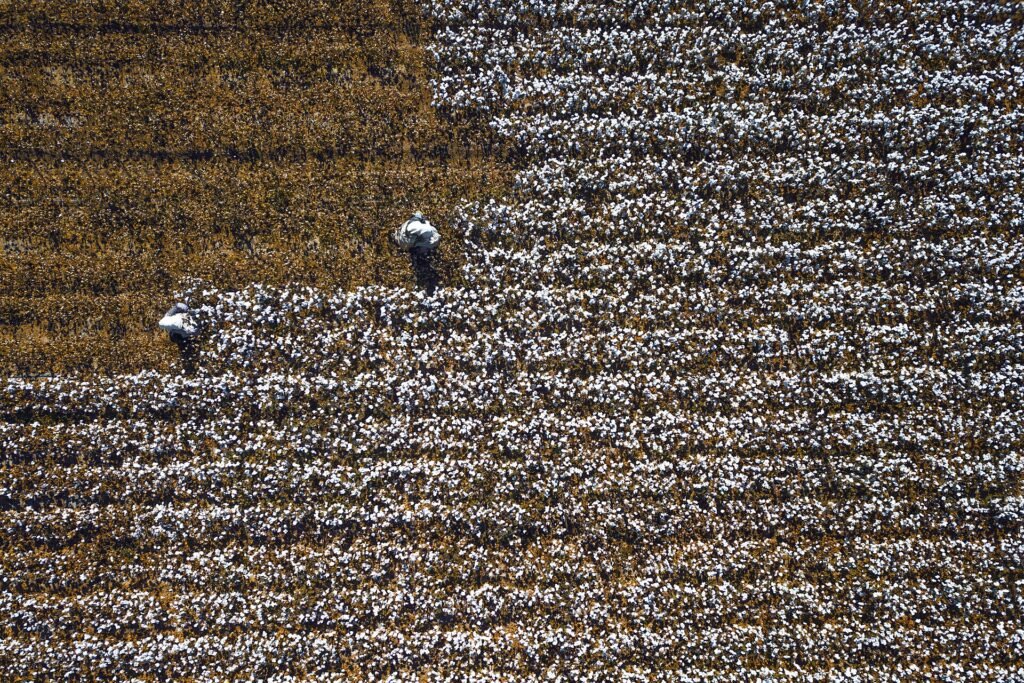
Under a 2021 federal law, imports made wholly or partly in China’s Xinjiang Uyghur Autonomous Region, or by companies on a federal list, are presumed barred from entry unless the importer can prove otherwise. The law, the Uyghur Forced Labor Prevention Act, creates what U.S. Customs and Border Protection (CBP) calls a rebuttable presumption.
In late July 2026 the Department of Homeland Security (DHS) added 43 companies to the UFLPA Entity List, which alerts from Troutman and Shapiro describe as the largest single expansion to date. This explainer sets out what the presumption covers, what importers must show, what the sources advise, and where the published accounts differ.
How the presumption was created and when it started
The Uyghur Forced Labor Prevention Act was signed into law on December 23, 2021, according to CBP’s public page on the law. The law is Public Law No. 117-78. CBP says the rebuttable presumption took effect on June 21, 2022, about six months later.
CBP ties the presumption to 19 U.S.C. § 1307. The CBP page summarizes the presumption rather than quoting the statute, so the statutory wording in this article is taken from CBP’s summary.
The Act also directs the Forced Labor Enforcement Task Force to develop a strategy for supporting enforcement of the ban on goods made with forced labor in the People’s Republic of China, especially from Xinjiang, CBP says.
Shipments denied entry
A Shapiro alert attributes to DHS a figure of more than 24,300 shipments valued at about $1 billion denied entry under the UFLPA since the law took effect. The alert gives no as-of date for the figure.
Which goods the presumption covers
CBP says the presumption applies to goods mined, produced or manufactured wholly or partly in the Xinjiang Uyghur Autonomous Region. It also applies to goods made by an entity on the UFLPA Entity List.
The Entity List is the second route, and the sources describe it differently. CBP’s page links to the DHS list but does not explain how companies are chosen, what criteria apply, or when they are added. Troutman reports that goods from a newly listed company, and goods that incorporate that company’s inputs, are presumed made with forced labor and presumed inadmissible.
The DHS list page sorts entities into categories. One covers entities in Xinjiang that mine, produce or manufacture goods with forced labor. Another covers entities that work with the Xinjiang government to recruit, transport, transfer, harbor or receive forced labor or members of persecuted groups. A third covers facilities that source material for poverty-alleviation, pairing-assistance or similar government labor schemes that use forced labor. The page does not describe a review process for adding companies.
Thomson Reuters says the list is not exhaustive, so importers should screen aliases and upstream suppliers, not only direct supplier names.
What an importer must show to overcome it
CBP says an importer must show, by clear and convincing evidence, that the goods were not made wholly or partly with forced labor. The same page says that standard requires due diligence on the supply chain, supply chain tracing and management, and complete, substantive answers to CBP information requests.
CBP says it would issue letters to importers identified as having previously imported merchandise that may be subject to the Act, warning that future entries may face seizure, forfeiture, penalties or other action. Some letters say the importer could be suspended or removed from CTPAT. CBP also states that not receiving a letter does not mean a supply chain is free of forced labor.
Detained goods follow a separate path. To get detained goods released, an importer must either show the law does not apply or overcome the presumption, according to Troutman. The pages read do not describe which documents CBP accepts in either case.
CBP says it leads implementation of the rebuttable presumption and conducts the applicability and exception reviews for detained goods. Its Notice of Detention attachment lists example documents an importer may submit to show the goods were not made with forced labor. The CBP page does not describe the review timeline or appeal steps.
Troutman says the clear-and-convincing standard typically produces low approval rates for rebuttal submissions. It recommends consulting trade counsel before filing a rebuttal, and says inadequate submissions can delay clearance or lead to exclusion of goods.
The July 2026 Entity List expansion
DHS announced the additions on July 31, 2026, and they took effect on August 3, according to Troutman and Shapiro. Both put the list at 187 entities after the 43 additions. Troutman describes the change as a 30 percent increase in listed entities and reports technical name updates to two entities already on the list.
Troutman says that starting August 3, CBP applies the rebuttable presumption to goods from newly listed entities, including goods that incorporate their inputs. Shapiro says CBP will presume goods produced by these 43 companies are made with forced labor from the same date, unless the importer overcomes that presumption.
The sectors named differ slightly by source. Troutman lists aluminum, apparel, copper, cotton and tomatoes. Thomson Reuters names a wider group that includes lithium, potash, titanium, pharmaceuticals, food products, sugar and nuts, alongside cotton and apparel. Its update also affects supply chains spanning aluminum, battery materials, mining and metals, tomatoes and agricultural goods. Shapiro also names textiles, metals and certain agricultural products as areas of heightened enforcement.
Thomson Reuters reports four of the additions are tied to labor-transfer programs and 41 to sourcing materials connected to Xinjiang or government labor schemes, with two entities in both groups. The DHS list page shows a last-updated date of July 31, 2026, and says entries carry an effective date of August 3, 2026.
Shapiro reports that DHS says more than 24,300 shipments valued at about $1 billion have been denied entry under the UFLPA since the law took effect. The alert gives no date for that figure. Troutman gives the same count of shipments denied, valued at nearly $1 billion, and attributes it to CBP. It also reports that a DOJ/DHS Trade Fraud Task Force passed $1 billion in recoveries, penalties and charged losses in under one year.
To get detained goods released, an importer must either show the UFLPA is not applicable or overcome that presumption by clear and convincing evidence.
Where the published accounts differ
The dates are not uniform. Troutman and Shapiro both give July 31 as the announcement date and August 3 as the effective date. Thomson Reuters dates its DHS update to August 3, publishes its page on August 4, and gives no effective date. The DHS list page shows July 31 as its last update. The sources agree on the substance of the change, but the timing differs.
Publication status is also unsettled in the pages read. Shapiro says the complete list of newly designated entities will be published in the Federal Register on August 3, and does not confirm publication. Thomson Reuters refers to a Federal Register notice and says the list is available through DHS and that notice. This article did not open that notice.
The total is not stated on the Thomson Reuters page or the DHS list page. The figure of 187 comes from Troutman and Shapiro. The pages read do not name all 43 companies, state the total before the expansion, or say how many of the new entities are apparel or cotton firms.
The denial figure is also attributed differently. Shapiro attributes it to DHS, while Troutman attributes the same count to CBP.
What the sources advise importers to do
Troutman recommends that importers audit direct and indirect supplier lists against the updated Entity List, and review open purchase orders and in-transit shipments for links to newly listed entities. It also suggests strengthening supplier due diligence with representations, warranties and audit rights covering Xinjiang and Entity List sourcing. Troutman advises monitoring the list regularly, since further additions are expected.
Thomson Reuters advises screening suppliers, manufacturers and upstream raw material providers against the list, including listed aliases. It recommends prioritizing China-linked sourcing in the affected sectors, updating origin, traceability and due diligence records, and escalating potential matches before a shipment enters.
Shapiro advises confirming documentation that supports the origin of products and materials, and being ready to respond promptly if CBP requests information or detains a shipment. Troutman reports that DHS officials said importers that knowingly circumvent UFLPA restrictions will face prosecution.
Photo: Azonesa · CC BY-SA 4.0 · via Wikimedia Commons