Why Fashion Houses Lend Red-Carpet Gowns Instead of Selling Them
Key takeaways
- Designer loans became standard after Giorgio Armani began dressing stars in the late 1980s, turning the 1990 Oscars into what Women’s Wear Daily called ‘The Armani Awards.’
- Loan contracts cover wear conditions, return timelines and compensation, but liability standards vary widely and some disputes end up in court.
- Insurance on loaned jewelry typically falls on the wearer, with specialty policies covering up to $1 million a year for under $1,000.
Most gowns photographed on Hollywood’s red carpets belong to someone else. A designer hands an actor a gown representing extensive fabric, beading and construction for a single evening, then collects it back within days. The arrangement looks like generosity. It is a marketing transaction with its own contracts, insurance policies and legal disputes.
The system rests on three pieces: an agreement spelling out who is responsible for the garment, insurance that covers it while it is out of the designer’s hands, and a publicity return that a straight sale could never match. Understanding how those three pieces fit together explains why brands keep giving away their most expensive work instead of selling it.
How the Loan System Became Standard Practice
The modern celebrity-dressing system traces to Giorgio Armani. Diane Keaton wore an Armani-suggested, menswear-inspired look to the 1978 Oscars, and Richard Gere wore Armani collection pieces, not custom work, in the film American Gigolo. Armani opened a VIP dressing office on Rodeo Drive in 1988 to formalize the practice.
The turning point came when Armani hired Wanda McDaniel to build relationships with stars. McDaniel committed to dressing Jodie Foster for the 1990 Oscars, and by that year so many nominees and presenters wore Armani that Women’s Wear Daily dubbed the ceremony ‘The Armani Awards.’ Foster, who had appeared on worst-dressed lists before the partnership, later won Best Actress in 1992 wearing a white Armani suit.
Over three decades, Armani has reportedly been worn to the Oscars more than 500 times. Other houses copied the model, and lending gowns, rather than selling them outright, became the industry’s default way to get clothing onto famous bodies in front of cameras.
The Cost of Covering a Borrowed Necklace
A Personal Articles Floater endorsement can insure loaned jewelry for up to $1 million a year, with a $250,000 cap per item, typically for less than $1,000 in premium, according to insurance brokerage Burns & Wilcox.
What a Loan Agreement Actually Covers
Stylists typically select pieces from a brand’s line sheets or lookbooks, then coordinate delivery and return with the brand’s PR team. How formal that process gets varies enormously. Some arrangements are little more than a text message asking to borrow a piece; others come with contracts spelling out wear conditions, return deadlines, compensation and social media obligations, according to a legal analysis from Brooklyn Law School’s Sports & Entertainment Law Blog.
Liability is one of the murkiest parts of the arrangement. There is no standardized framework for what happens when a borrowed garment comes back damaged or late, the blog notes, and industry practice describes such incidents simply entering ‘invoice territory.’ Some brands pursue formal claims against a stylist or celebrity; others absorb the loss and move on.
Lending a dress also does not automatically hand a brand the right to reuse red-carpet photos commercially. Designers and stylists still need separate licensing agreements with photographers and the celebrity to use those images in advertising.
Who Pays When a Borrowed Piece Is Insured
Jewelry loaned for red-carpet appearances carries the biggest insurance exposure. One report estimated that jewelry and watches worn at the 2018 Oscars alone were worth more than $30 million. Individual pieces have gone far higher: Gloria Stuart wore a 15-carat blue diamond necklace valued at $20 million to the 1998 Oscars, and Lady Gaga wore roughly $5 million in custom Tiffany & Co. diamonds to the Golden Globes in 2019, according to insurance brokerage Burns & Wilcox.
Responsibility for that value usually sits with the person wearing it, not the brand that owns it. ‘The liability usually lies with the person wearing the item even if — like some celebrities — she is being paid to do so,’ says Heather Posner, an associate vice president at Burns & Wilcox. Celebrities and designers are expected to sign formal contracts before an event that spell out who is on the hook if something is lost, stolen or damaged.
Specialty insurance exists to cover exactly this gap. A Personal Articles Floater endorsement can provide up to $1 million in total coverage a year, with up to $250,000 per item, across unlimited events during the policy term, typically for under $1,000 for qualifying clients. Ordinary jewelry renters outside the celebrity system face steeper terms: services requiring background and credit checks, security deposits running one-fifth to one-third of an item’s value, and damage penalties that can run tens of thousands of dollars on a single piece.
A gown sale earns a designer one payment. A loan generates coverage a brand could not otherwise buy at any price.
Why Publicity Beats a One-Time Sale
A gown sale earns a designer one payment. A loan, worn by a recognizable star in front of a global broadcast and thousands of photographers, generates coverage a brand could not otherwise buy at any price. Armani’s own account of the strategy framed it as building ‘genuine relationships’ with stars whose look fit the house, rather than treating dressing as a transactional endorsement deal.
That calculation has not changed since the 1990s. A single widely photographed red-carpet appearance can circulate for years in retrospectives, best-dressed lists and archival exhibitions, giving a brand a return that compounds long after the ceremony ends — value a designer keeps generating precisely because the dress went back into the archive rather than into a private closet.
When the Arrangement Breaks Down
Because so many loans still run on informal understandings, disputes surface regularly. In Dover Street Market v. Reynolds, filed in 2022, the retailer alleged that stylists for Hennessy Carolina failed to return 49 loaned pieces valued at over $34,000. A separate 2017 dispute between Chanel and actress Meryl Streep centered on undocumented expectations around compensation for wearing the brand.
A 2021 case, Champion v. Moda Operandi, saw professional runway models sue Vogue and Moda Operandi over unauthorized commercial use of their runway images; the surviving claims against Moda Operandi settled in 2023, underscoring that image rights and garment loans are legally separate issues even when they arise from the same event.
None of these cases suggests the loan system itself is at risk. They show, instead, why brands increasingly favor written contracts over handshake deals as the value of what they lend, and the audience watching it, keeps growing.
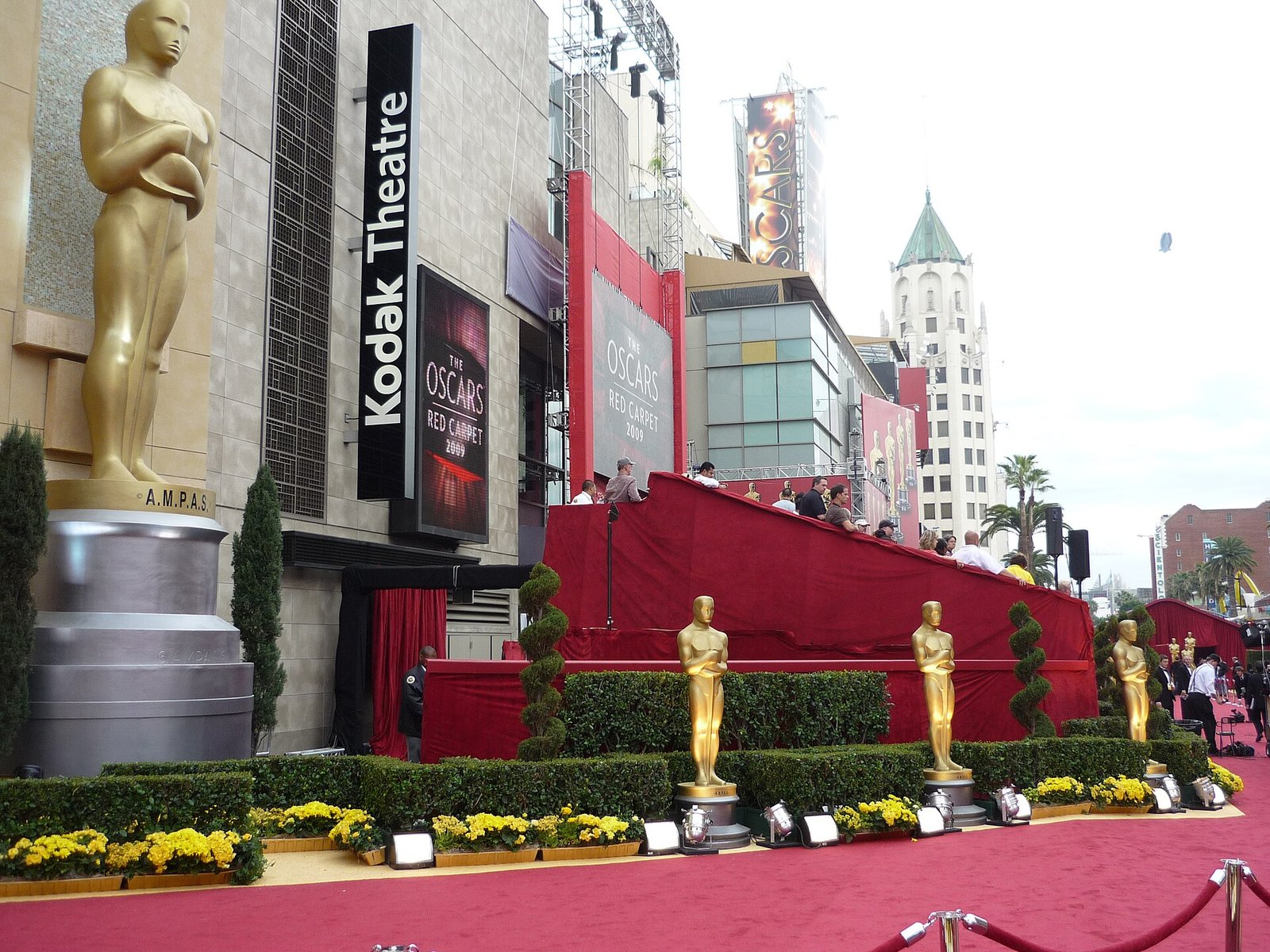
Photo: Greg in Hollywood (Greg Hernandez) · CC BY 2.0 · via Wikimedia Commons