How the FABRIC Act Would Set Wage Floors and Fund $100 Million for U.S. Garment Makers
S. garment workers, hold major fashion retailers legally liable for labor violations, and allocate $100 million to support domestic manufacturing.
Senator Kirsten Gillibrand and Representative Jerrold Nadler reintroduced the Fashioning Accountability and Building Real Institutional Change Act—the FABRIC Act—on September 14, 2026, during New York Fashion Week. The legislation targets pervasive wage theft and unsafe conditions in the American garment industry, which has contracted sharply over the past 50 years as production shifted overseas. The bill proposes to reverse that trend through federal standards for worker pay, new accountability rules for major fashion retailers and brands, and a substantial domestic manufacturing subsidy. The reintroduction reflects growing momentum for federal garment worker protections, spurred in part by precedent-setting state legislation and a widening coalition of industry support.
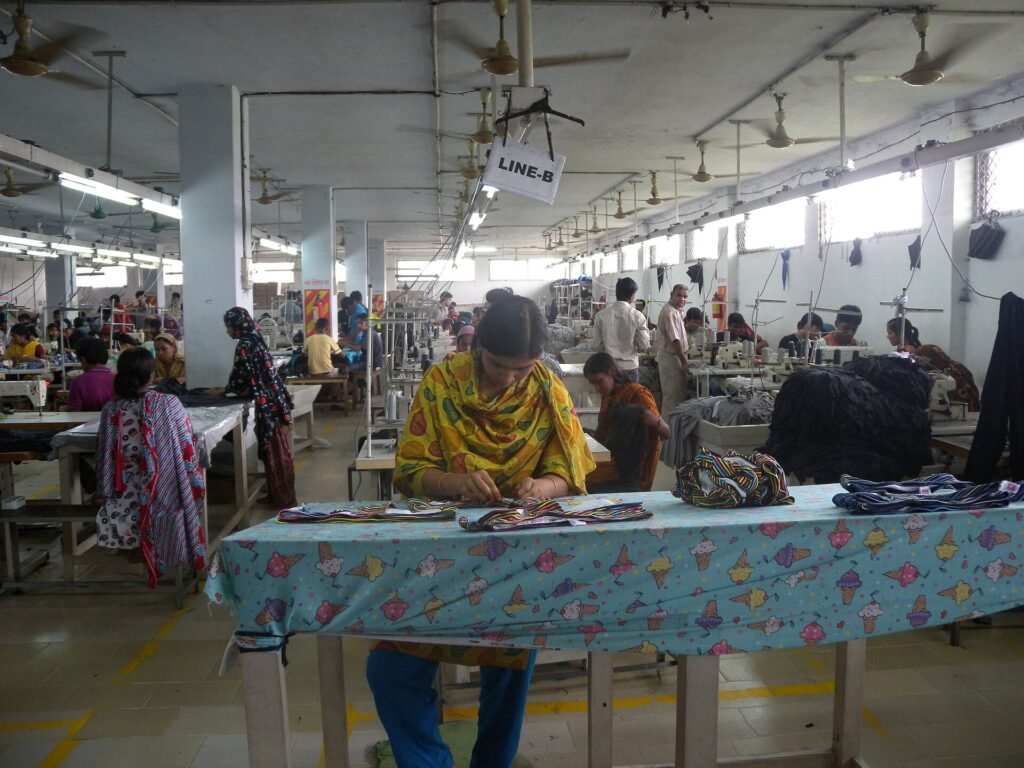
The garment industry has long been characterized by piece-rate pay systems in which workers earn money per item sewn rather than an hourly wage, creating pressure to work faster at the expense of safety. Garment workers in the United States suffer the second-highest rate of wage theft among all workers, according to labor organizations supporting the bill. The FABRIC Act seeks to restructure how brands, manufacturers, and contractors approach labor practices in a sector that employs more than 75,000 American workers. The legislation has been endorsed by labor unions including AFL-CIO, SEIU, UNITE HERE, Workers United, and RWDSU.
How piece-rate pay concentrates income risk on workers
Under piecework systems, garment workers earn compensation based on the number of items they complete rather than hours worked or a base wage. This payment structure creates direct financial incentives for workers to sew faster and longer, regardless of working conditions.
The piecework model also creates structural wage instability. If a factory has insufficient orders or raw materials, workers produce fewer items and earn proportionally less—but they still face rent and food costs. Because garment work is labor-intensive, workers often have limited bargaining power.
The FABRIC Act would prohibit piece-rate pay as a worker’s base wage across the U.S. garment industry. Instead, employers would be required to pay at least the applicable hourly minimum wage. Productivity-based bonuses would still be permitted, but only as additional compensation layered on top of the wage floor, not as a substitute for it. This structure decouples worker income from production volume, ensuring that a garment worker earns minimum wage whether the factory operates at full capacity or reduced output.
Wage theft in garment work
Garment workers in the United States suffer the second-highest rate of wage theft among all workers, according to labor organizations supporting the FABRIC Act. California’s Garment Worker Protection Act, effective January 1, 2022, holds brands jointly and severally liable for wage violations in garment factories and subcontractors.
Federal accountability modeled on California precedent
The FABRIC Act’s brand accountability provisions build on California’s Garment Worker Protection Act, which took effect on January 1, 2022. California’s law was groundbreaking: it established joint and several liability for fashion brands and retailers for wage theft in garment factories and subcontractors. Under California’s model, if a factory underpays workers, the contractor, manufacturer, and brand guarantor are all legally responsible for the full amount owed—workers can recover unpaid wages from any party in the supply chain, not just their direct employer.
California’s law defines a brand guarantor broadly to include any person contracting for garment manufacturing operations, regardless of how many layers exist between the brand and the contractor. The definition also includes anyone who licenses a brand name for garment manufacturing. This expansive definition closes a loophole that had allowed major brands to claim distance from factory conditions: under California law, outsourcing production to contractors does not relieve a brand of responsibility for wage compliance.
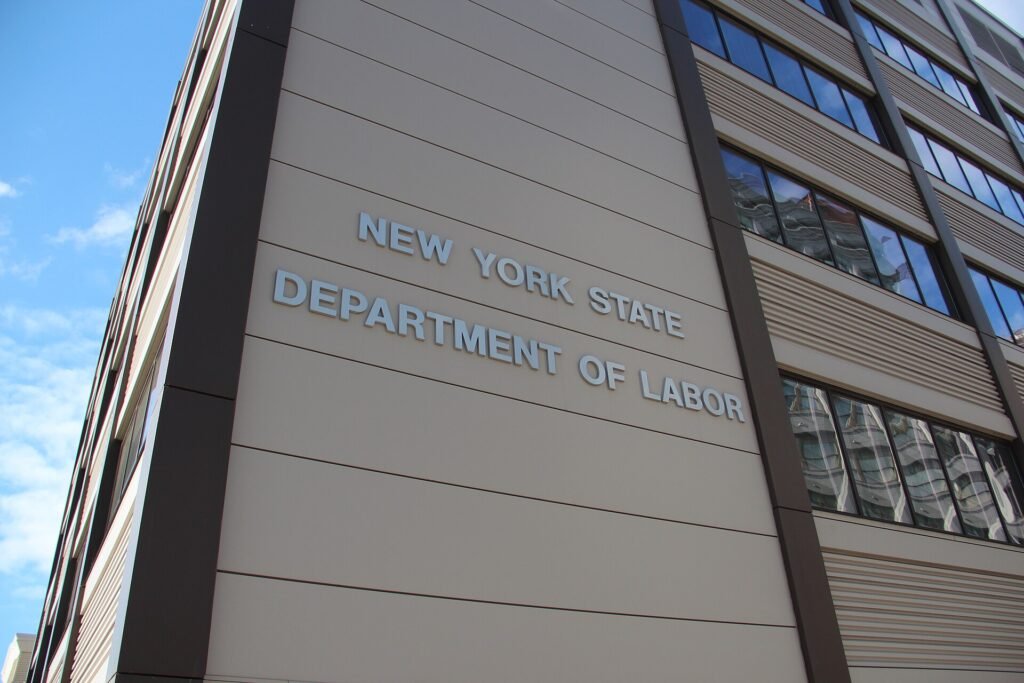
The federal FABRIC Act applies this liability model nationally. Fashion brands and retailers would face new legal and financial liability for wage and labor violations at their manufacturing partners and contractors. The bill would require garment manufacturers and contractors operating domestically to register with the Department of Labor and maintain detailed recordkeeping. These registration and disclosure requirements create an official record of supply chain relationships and labor practices that regulators and brands can monitor.
Recordkeeping and supply chain transparency
The FABRIC Act introduces a new federal factory registry and strengthens recordkeeping requirements that resemble California’s model. Manufacturers and contractors must maintain comprehensive records including employee names and addresses, hours worked, daily production sheets, wage information, and contracts between parties. Brand guarantors must preserve contract documentation and pricing agreements. These records create an auditable trail of labor practices and compensation, making it harder to hide wage violations.
The registry and recordkeeping requirements serve multiple purposes. For regulators, they enable efficient investigation of wage theft complaints. For brands, they provide documentation that can demonstrate compliance with the law’s standards. For workers, they create a paper trail that supports wage recovery claims. California’s experience shows that detailed recordkeeping provisions make enforcement more effective: the Labor Commissioner can determine violations based on documented evidence rather than relying solely on worker testimony, which is often difficult for vulnerable workers to provide.
California’s law was groundbreaking, establishing joint and several liability for fashion brands and retailers for wage theft in garment factories and subcontractors.
The $100 million domestic manufacturing support program
The FABRIC Act includes a National Domestic Garment Manufacturing Support Program endowed with $100 million in federal funding. The program offers a 30 percent tax credit for clothing companies that relocate manufacturing operations to the United States from overseas locations. This financial incentive is designed to reverse decades of offshoring by making domestic production more economically competitive.
The grants and tax credits target multiple uses within domestic manufacturing. U.S.-based garment manufacturers and nonprofits can access funding for workforce development and training, acquisition of relevant tools and equipment, capital improvements, and health and safety improvements. By subsidizing these investments, the FABRIC Act aims to narrow the cost gap between U.S. and foreign production.
The manufacturing subsidy reflects a broader legislative goal to rebuild American garment industry capacity. The tax credit and grants aim to make domestic production financially viable even as brands compete on speed and price.
Prior versions and industry evolution
The FABRIC Act was first introduced in May 2022 but did not advance through Congress. The 2026 reintroduction reflects a shift in industry consensus and regulatory momentum. California’s Garment Worker Protection Act created a legal mechanism through which workers could recover unpaid wages from contractors, manufacturers, or brand guarantors.
The FABRIC Act’s joint and several liability model is intended to create pressure across the supply chain: by increasing liability along the chain, its backers say brands are incentivized to operate as allies with their factories in ensuring garment workers are treated properly and paid fairly.
The 2026 reintroduction during New York Fashion Week signals an effort to make garment worker protections central to the industry’s policy agenda.
Photo: Tareq Salahuddin from Dhaka, Bangladesh · CC BY 2.0 · via Wikimedia Commons