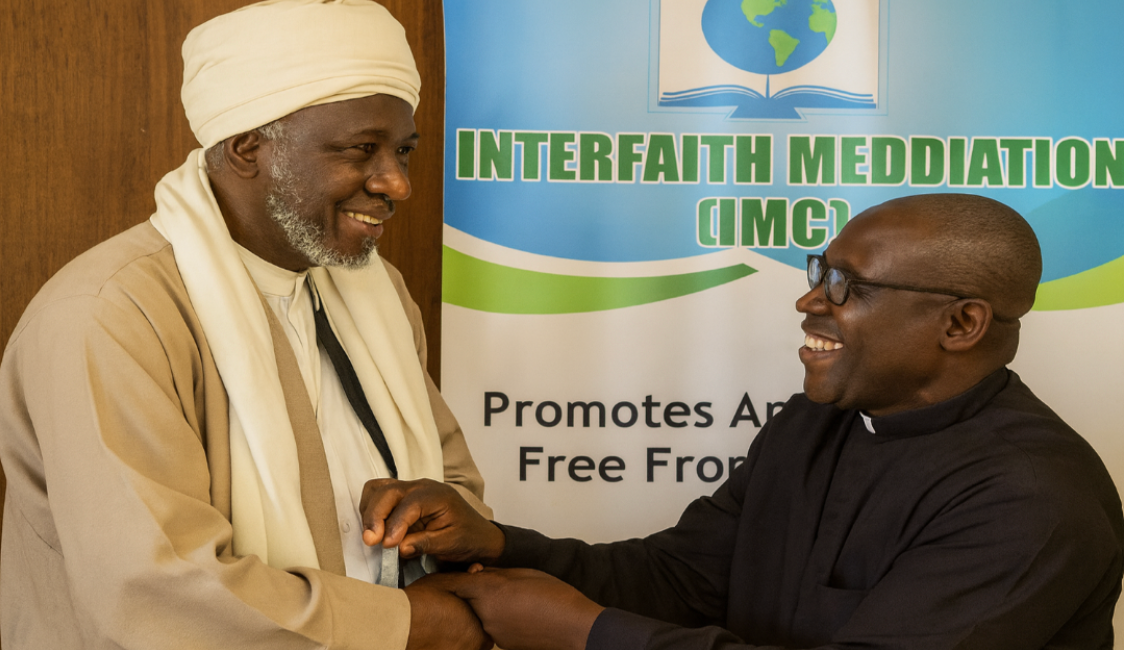
UNITY IN DIVERSITY: HOW INTERFAITH PEACE IS BUILDING BRIDGES ACROSS NIGERIA
Nigeria, Africa’s most populous nation, is home to a rich tapestry of cultures and religions, with Islam and Christianity being the two largest faiths. Despite periodic religious tensions, initiatives promoting interfaith unity have steadily grown, aiming to foster peace, collaboration, and national cohesion. Experts argue that these efforts are crucial, not only to prevent violence but also to strengthen Nigeria’s social fabric amid its diverse population. One notable example is the Interfaith Youth Corps, a program launched in Kaduna State that brings together young Muslims and Christians to work on community development projects, such as school renovation, clean water initiatives, and vocational training. By collaborating on tangible goals, participants build mutual understanding and trust, reducing stereotypes and fostering long-term interfaith relationships. According to Afro barometer surveys, over 90% of Nigerian youth’s express willingness to interact across religious lines, highlighting the potential impact of such programs.
Another inspiring initiative is the Nigeria Inter-Religious Council (NIREC), a coalition of Muslim and Christian leaders established in the early 1990s. NIREC promotes dialogue, mediates conflicts, and organizes nationwide peace-building campaigns during periods of heightened tension, including the Ramadan-Easter interfaith dialogues. These efforts have helped to calm volatile situations, such as localized clashes in Plateau and Kaduna states, by encouraging religious leaders to publicly advocate for peace and mutual respect. Analysts emphasize that interfaith unity in Nigeria is not about erasing differences but celebrating diversity while prioritizing collaboration. Programs like NIREC and youth-focused initiatives illustrate that religious pluralism can coexist with national stability when guided by structured dialogue, community engagement, and shared goals.
Across the country, many couples and communities are living proof that faith differences do not have to be a barrier to harmony. One particularly powerful example is the long marriage of President Bola Tinubu and his wife Oluremi TINUBU (f); he is Muslim, she is a Christian, and their union going back to 1987 frequently comes up in public discussions of interfaith acceptance. Importantly, interfaith marriages in Nigeria are not just symbolic, they often reflect complex compromises and institutional frameworks. For instance, in May 2025, a Muslim Fulani traditional ruler, Nurudeen Oloruntoyin ABODUNRIN, married Olori Clara Oluwatoyin ABODUNRIN, a devout Catholic, in a well-publicized ceremony at Our Lady of Lourdes Catholic Church in Ogbomoso.
One powerful example of this unity is found in Adamawa State, where interfaith cooperation has gained significant traction. In 2024, the Christian Association of Nigeria (CAN) and the state’s Muslim Council publicly committed to “foster peaceful coexistence and promote interfaith collaboration”, following a courtesy visit that underscored mutual trust and shared purpose. Meanwhile, in early 2025, the Muslim Students Society of Nigeria (MSSN) in collaboration with the Cardinal Onaiyekan Foundation for Peace (COFP) held a major peace summit under the theme “Building Bridges of Understanding,” bringing together Muslim and Christian leaders who urged tolerance, respect, and shared responsibility in building a stable state. In a country where religion is deeply woven into social and political life, these interfaith initiatives are more than symbolic. They are pragmatic responses to real challenges: poverty, crime, and inter-communal violence. Adamawa’s example shows how state governments can partner with faith leaders to turn religious pluralism into a strength. By investing in dialogue, cooperation, and shared civic projects, Nigeria is not only defending peace, it’s building a model for how deeply diverse societies can find unity without erasing difference.