Nike’s Greater China collapse and Jordan Brand retreat signal shift in celebrity sneaker culture
Nike's 26% Greater China sales plunge reveals a deliberate retreat from the retro drops and oversupply that fueled red-carpet sneaker status.
Nike reported first-quarter fiscal 2027 earnings on October 1, 2026, with revenue of $11.21 billion, missing analyst estimates of $11.32 billion despite beating earnings per share. The weakness was driven by a Greater China sales collapse of 26 percent on a currency-neutral basis and declines in Jordan Brand, the subsidiary that shaped celebrity footwear culture for decades.
CEO Elliott Hill signaled that the company is executing a deliberate reset: reducing the volume and frequency of Jordan retro launches to restore scarcity and eliminating unprofitable digital distribution channels in China beginning January 2027. The moves mark a fundamental shift away from the oversupply strategy that fed celebrity sneaker culture on social media and red carpets.
The Greater China digital reset unfolds
Nike’s Greater China business contracted 26 percent on a currency-neutral basis, marking the ninth consecutive quarter of declining sales in the region. The strategy involves closing unprofitable digital channels and consolidating operations rather than maintaining separate online storefronts.
The company is pulling online sales rights from major retail partners beginning January 2027, a move Hill cautioned would unfold over “multiple seasons.” Nike is concentrating investment on fewer flagship stores and premium experiences, reflecting a shift away from the volume-focused digital expansion that had fueled growth in the region. Nike had guided in April 2026 for Greater China sales to fall by around 20 percent in the fourth quarter of fiscal 2026, a forecast made before October’s formal reset announcement.
Hill characterized the reset as a long undertaking.
Q1 FY2027 earnings at a glance
Nike reported revenue of $11.21 billion, missing the $11.32 billion estimate but beating EPS estimates. Greater China sales fell 26% and marked the ninth consecutive quarter of declines. The company guided for fiscal 2027 revenue to decline in the high single-digit range.
Jordan Brand faces intensifying pressure
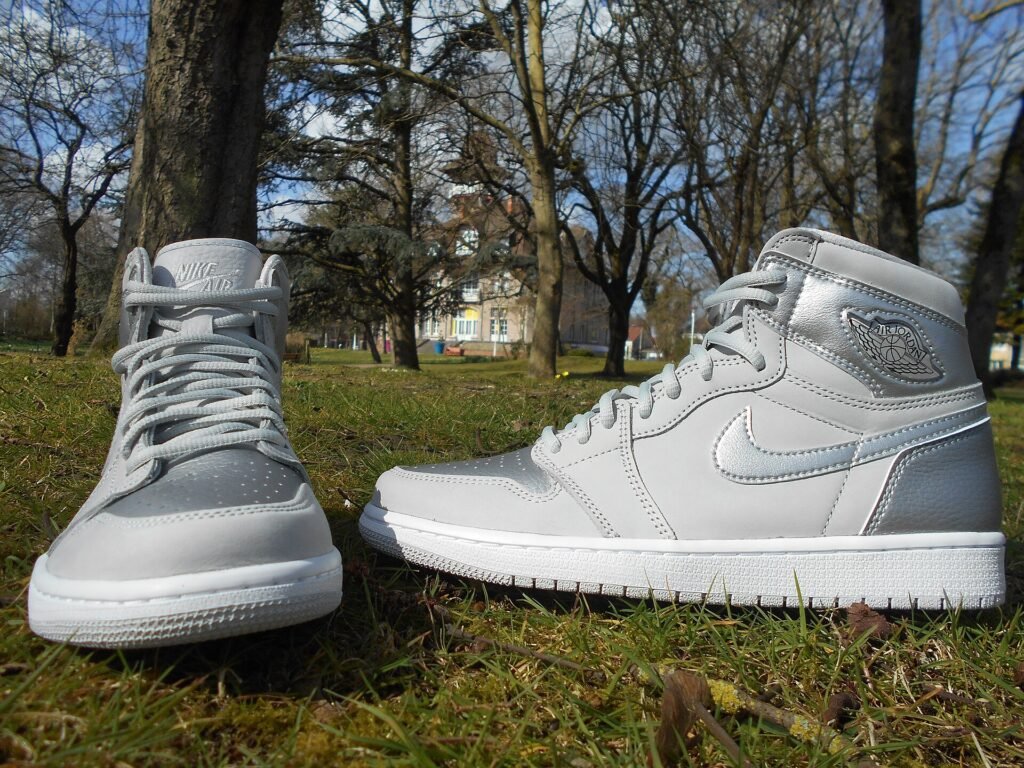
Jordan Brand posted revenue declines in the quarter. The response: deliberately reduce the volume and frequency of retro launches, a reversal of the strategy that flooded the market with limited-edition Jordans designed to drive hype and secondary-market demand.
The shift will reshape the secondary market and social-media-driven hype cycles that fueled demand for limited Jordan releases. By cutting supply, Nike aims to restore the exclusivity that characterizes premium positioning. The strategy reflects a recognition that flooding the market with retro Jordans—a staple of red-carpet sneaker styling and celebrity endorsements—damaged brand equity and trained consumers to expect constant releases.
The challenge is managing the transition without ceding ground to competitors. If Jordan retro scarcity drives price appreciation and resale value, consumers may shift to competing brands offering similar lifestyle products. At the same time, reducing release frequency could disappoint a generation of sneaker collectors and celebrities who built styling choices around predictable drop calendars.
Nike Sportswear and Dunk pullback
Nike Sportswear faced broader pressure in the quarter. Hill noted that “Our Nike performance business is not yet large enough to offset the pressure we’re seeing in Nike sportswear, Jordan brand, and Greater China,” signaling that the company expects weakness to persist as it restructures.
The Dunk pullback was particularly striking given the silhouette’s dominance in streetwear-influenced red-carpet styling over the past five years. The shoe became a default choice for celebrities balancing casual luxury positioning, making it a barometer for high-fashion acceptance of lifestyle sneakers. A reduction signals that Nike is stepping back from competing in that casual-luxury positioning and expects limited demand unless the company resets the shoe’s availability.
Converse, another lifestyle brand in the Nike portfolio, fell sharply across all regions in Nike’s previously reported quarter (fiscal third-quarter 2026), posting a 35 percent revenue drop to $264 million. That prior-quarter weakness points to broader pressure across Nike’s lifestyle portfolio as the company reallocates resources toward performance and premium experiences.
Performance business growth amid structural weakness
Offsetting the decline in lifestyle segments, Nike’s performance portfolio grew, with running achieving revenue growth. Global Football posted gains, driven by World Cup momentum, while Basketball achieved growth in North America. Training, Tennis, and Golf all posted increases, demonstrating that sport-specific positioning remains resilient.
The divergence between performance and lifestyle reflects a deliberate strategy: Hill is reallocating resources toward technical categories where Nike retains competitive advantages. Running, in particular, benefits from Nike’s investment in responsive cushioning technology and collaborative relationships with elite athletes. These gains, however, are not sufficient to offset the Greater China and Jordan Brand declines, leaving Nike in a restructuring mode despite pockets of strength.
Restructuring and sponsorship headwinds
Nike announced a $2.5 billion Pace restructuring program targeting cumulative savings through fiscal 2031, with the greatest benefits anticipated in fiscal 2029 and 2030. The program includes modernizing supply chains, realigning operations from four geographic divisions into three (Americas, Asia Pacific/Greater China, and EMEA), and establishing a new India campus. For fiscal 2027, the company expects revenue to decline in the high single-digit range.
The reset carries risks for Nike’s position in celebrity and entertainment marketing. In September 2026, Kylian Mbappé ended his roughly 20-year partnership with Nike and signed with competitor On as a global ambassador. The move underscores broader challenges: Nike is withdrawing investment from athlete sponsorships at the same time emerging competitors are expanding. Mbappé’s departure, after nearly two decades as one of Nike’s most prominent athletes, signals that Nike’s cost discipline may conflict with its ability to secure exclusive talent relationships.
Hill framed the turnaround as necessary but uncertain. “Our Nike performance business is not yet large enough to offset the pressure we’re seeing,” he said, adding that reviving those weak areas “will take time.” The company’s confidence in restoring Greater China and Jordan Brand profitability through reduced supply and premium positioning will define whether the reset succeeds in reshaping celebrity sneaker culture or cedes ground to competitors and emerging lifestyle brands.
Photo: HI 622 · CC BY-SA 4.0 · via Wikimedia Commons